Source Hand Blown Glass Airtight Canisters for Tea, Coffee, Snacks
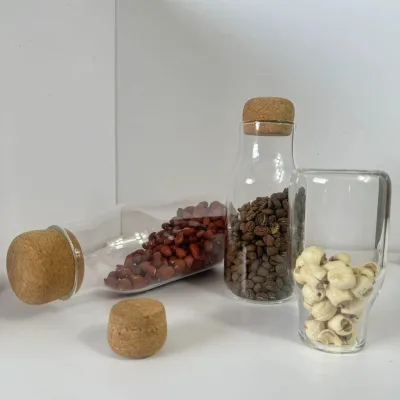
Compare 30 hand blown glass airtight canisters designed for home storage. These BPA-free containers feature stainless steel or bamboo lids, offering airtight sealing for tea, coffee beans, and snacks. Options include European styles with high borosilicate glass bodies; compare the available evidence and request quotations based on your requirements.
Key considerations
Products List


Comprehensive Sourcing Guide
Hand Blown Glass Airtight Canisters Sourcing Guide
Procuring hand blown glass airtight canisters requires a nuanced understanding of the intersection between artisanal manufacturing techniques and industrial supply chain reliability. While the term "hand blown" suggests unique, non-uniform craftsmanship, the observed market data indicates a significant presence of machine-made or semi-automated high borosilicate glass products. Buyers must carefully distinguish between true artisanal pieces and mass-produced items that may be marketed with similar terminology. This distinction is critical for quality control, as hand-blown items often exhibit slight variations in wall thickness and shape, which can impact the fit of airtight lids and the overall aesthetic consistency required for premium retail packaging.
The current sourcing landscape for these containers is dominated by suppliers in Shandong, China, offering a wide range of styles from European to modern minimalist designs. The observed product attributes reveal a strong emphasis on functionality, with features such as BPA-free materials, microwave safety, and dishwasher compatibility being standard expectations. Buyers should note that while the core keyword emphasizes "hand blown," the actual listings frequently describe tempered glass, melt glass, or high borosilicate glass bodies with stainless steel or bamboo lids. This discrepancy highlights the need for precise specification verification to ensure the received goods match the intended brand positioning and functional requirements.
Product Scope and Observed Listing Signals
The observed product scope for glass storage solutions is diverse, encompassing various shapes, sizes, and lid materials to meet different storage needs. Common configurations include round and rectangular canisters with capacities ranging from 500ml to 1000ml, as well as larger 2000ml options. The lids are typically constructed from stainless steel with silicone seals or bamboo with silicone components, ensuring an airtight environment that preserves the freshness of food items such as snacks, tea, candies, and coffee beans. These design choices reflect a market demand for versatile, multi-purpose containers that can withstand daily use in home environments while maintaining a stylish appearance.
Listing signals indicate a strong focus on customization and OEM/ODM services, allowing buyers to tailor products to specific brand identities. Attributes such as "Customization Available," "Logo Accept Customize," and "OEM & ODM Custom" suggest that suppliers are equipped to handle branded orders with specific color, shape, or packaging requirements. The observed packing methods, including bulk packs of 12 pieces per carton, provide insight into logistics planning, while the availability of both unfolded and specific folded states (though less common for rigid glass) points to potential variations in product design or accessory inclusion. Buyers should leverage these signals to negotiate terms that align with their volume and branding strategies.
Technical Specifications to Verify
Verifying technical specifications is paramount to ensuring the durability and safety of glass storage canisters. Key attributes to confirm include the glass type, which may be described as tempered, melt, or high borosilicate glass, each offering different thermal shock resistance and strength profiles. The dimensions of the canisters, such as 10.6x9.3x17.3cm or 13.2(D)x12.7cm, must be cross-referenced with lid compatibility to prevent leakage or improper sealing. Additionally, the material composition of the lids, whether stainless steel, silicone, or bamboo, should be verified for food-grade safety and resistance to corrosion or degradation over time.
Buyers should also pay close attention to the functional claims associated with the products, such as being microwave safe, freezer safe, and dishwasher safe. These claims require rigorous testing to ensure that the glass and lid materials can withstand extreme temperature changes without cracking or releasing harmful substances. The presence of BPA-free certifications is a critical technical requirement, especially for products intended to store food items that may come into direct contact with the container walls. Confirming these specifications through sample testing or supplier documentation is essential to mitigate the risk of product failure and ensure consumer safety.
Compliance and Safety Documentation
Compliance with international safety standards is non-negotiable for glass food storage products entering global markets. Buyers must request and verify certifications such as FDA, LFGB, REACH, and RoHS, which attest to the material safety and environmental compliance of the glass and lid components. These certifications ensure that the products do not contain harmful heavy metals or chemicals that could leach into food, particularly when exposed to heat or acidic substances. The presence of ISO certifications further indicates that the supplier adheres to established quality management systems, providing an additional layer of assurance regarding production consistency and traceability.
In addition to material certifications, buyers should inquire about specific test reports for thermal shock resistance, drop tests, and seal integrity. These tests validate the functional claims of durability and airtightness, ensuring that the canisters can withstand typical household use without breaking or losing their sealing properties. While some listings mention FSC certification, this is typically relevant for bamboo or wood components rather than glass, so buyers should clarify the scope of such certifications. Ensuring that all documentation is up-to-date and covers the specific materials used in the final product is crucial for maintaining regulatory compliance and brand reputation.
Cost Drivers and Commercial Terms
Several factors influence the cost structure of glass storage canisters, including the type of glass, lid material, and level of customization. High borosilicate glass and stainless steel lids generally command higher prices due to their superior durability and safety profiles compared to standard melt glass or plastic alternatives. Customization options, such as logo printing, unique shapes, or specialized packaging, add to the production costs and may affect the minimum order quantity (MOQ). The observed MOQ range of 20 to 5000 pieces suggests flexibility for both small boutique orders and large-scale commercial purchases, allowing buyers to align their orders with their inventory and cash flow needs.
Commercial terms also play a significant role in the total cost of ownership. Payment terms such as T/T or L/C at sight are common, providing security for both buyers and suppliers. The shipment time, often cited as 50 days or at least 30-45 days, must be factored into supply chain planning to avoid stockouts. Buyers should negotiate clear terms regarding packaging, shipping responsibilities, and liability for damages during transit. Understanding these cost drivers and commercial terms enables buyers to make informed decisions that balance quality, cost, and delivery timelines effectively.
Supplier Qualification and Quality Control
Qualifying suppliers for glass storage canisters involves assessing their manufacturing capabilities, quality control processes, and track record. Buyers should verify the supplier's production capacity, equipment, and expertise in handling glass and lid assembly. Requesting references or case studies from previous clients can provide insights into the supplier's reliability and consistency. Additionally, conducting on-site audits or third-party inspections can help identify potential issues in the production process, such as inadequate quality checks or poor working conditions, which could impact product quality and ethical compliance.
Implementing a robust quality control plan is essential to ensure that the received goods meet the specified standards. This plan should include pre-production samples approval, in-process inspections, and final random inspections before shipment. Key quality metrics to monitor include dimensional accuracy, seal integrity, surface finish, and packaging integrity. Buyers should also establish clear communication channels with the supplier to address any quality issues promptly and implement corrective actions. By prioritizing supplier qualification and rigorous quality control, buyers can minimize risks and ensure a steady supply of high-quality glass storage canisters.
Long-Term Procurement Checks
Long-term procurement success depends on continuous monitoring of supplier performance and market trends. Buyers should regularly review supplier metrics such as on-time delivery rates, defect rates, and responsiveness to issues. Establishing a scorecard system can help track these metrics over time and identify areas for improvement. Additionally, staying informed about changes in material costs, regulatory requirements, and consumer preferences can help buyers anticipate market shifts and adjust their sourcing strategies accordingly. Building a strong relationship with suppliers based on mutual trust and transparency can lead to better pricing, priority production, and collaborative innovation.
Furthermore, buyers should consider diversifying their supplier base to mitigate risks associated with single-source dependencies. Engaging with multiple suppliers can provide flexibility in case of supply disruptions or quality issues with one vendor. Regularly reviewing and updating procurement policies and contracts ensures that they remain aligned with business goals and regulatory changes. By adopting a proactive and strategic approach to long-term procurement, buyers can secure a reliable supply of high-quality glass storage canisters that meet their evolving business needs and customer expectations.
FAQs
What glass types are used for these food canisters?
The products utilize high borosilicate glass and tempered glass for durability. Some listings also mention melt glass options. These materials ensure safety for food storage while providing resistance to thermal shock and physical impact during daily use in home environments.
Can I customize the logo and packaging for bulk orders?
Yes, OEM and ODM customization services are accepted for logo and packaging. Buyers can request specific bulk pack configurations or custom designs. This flexibility allows businesses to brand the glass storage canisters according to their unique market requirements and product identity needs.
What certifications do these glass jars meet for food safety?
The products hold RoHS, REACH, LFGB, FDA, and ISO certifications. These standards verify that the glass body and accessories like stainless steel or silicone lids are safe for food contact. Such compliance ensures the canisters meet international safety requirements for storing snacks, tea, and coffee beans.
How long is the delivery time for these glass storage jars?
Delivery times typically range from at least 30 to 45 days or up to 50 days depending on the order. This lead time accounts for production and shipping logistics from the Shandong, China origin. Buyers should plan their inventory cycles accordingly to ensure timely receipt of goods.
Which specifications are available for the glass food canisters?
Available models include sizes like 10.6x9.3x17.3cm and 13.2cm diameter variants with capacities between 500ml and 1000ml. Some rectangular options reach 2000ml. These dimensions support various storage needs while maintaining a compact footprint for kitchen organization and efficient stacking in commercial or home settings.
What are the minimum order quantities for these glass bottles?
Minimum order quantities vary between 20 and 5000 units based on the specific product model and customization level. Smaller batches may start at 20 pieces, while larger industrial orders might require up to 5000 units. This range accommodates both small retailers and large distributors seeking glass storage solutions.